
Applications
Cortado contact microphones reveal the hidden sounds lurking inside solid objects. Here are some of the ways professionals and enthusiasts put them to work.
Acoustic Instruments
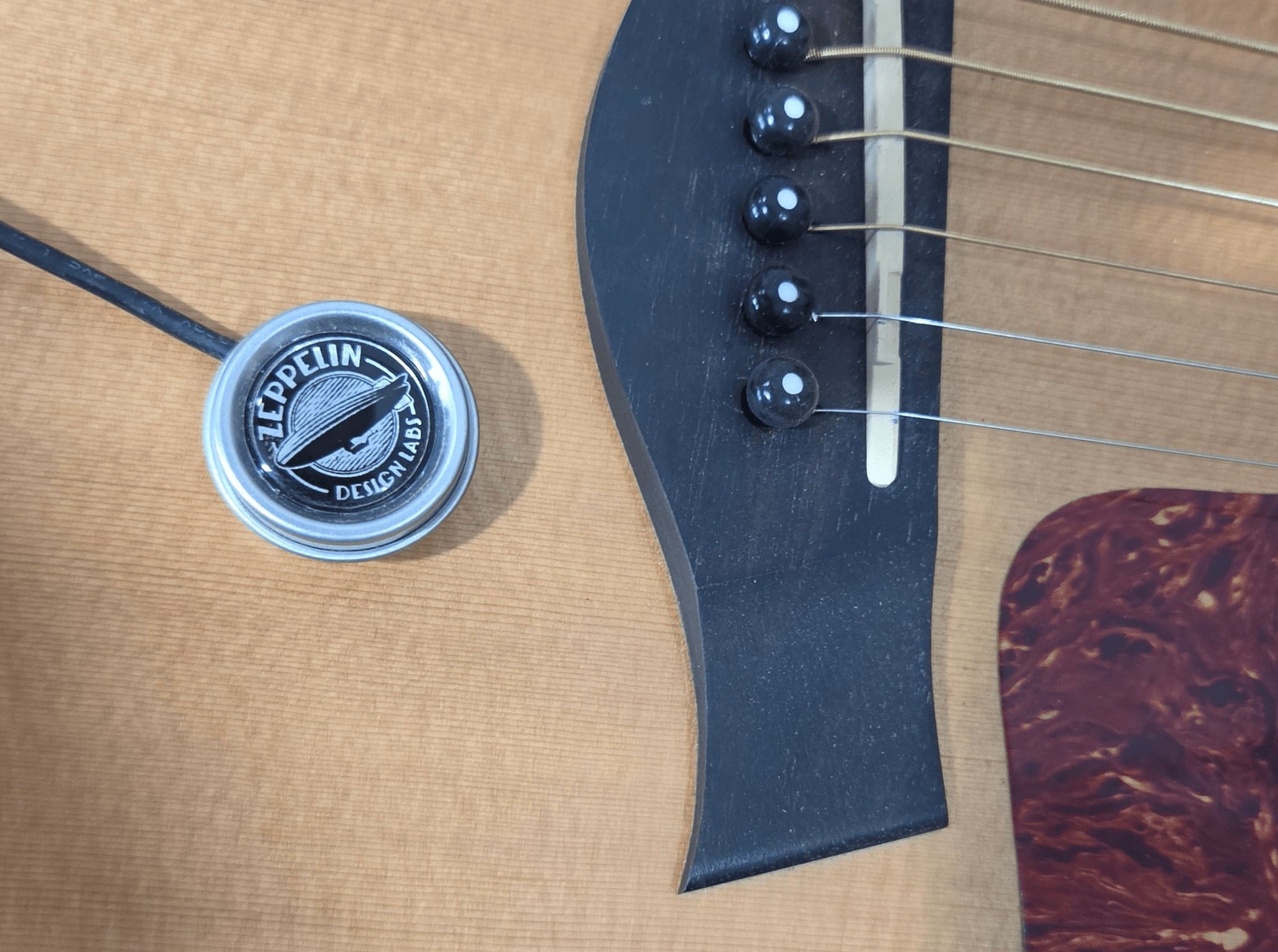
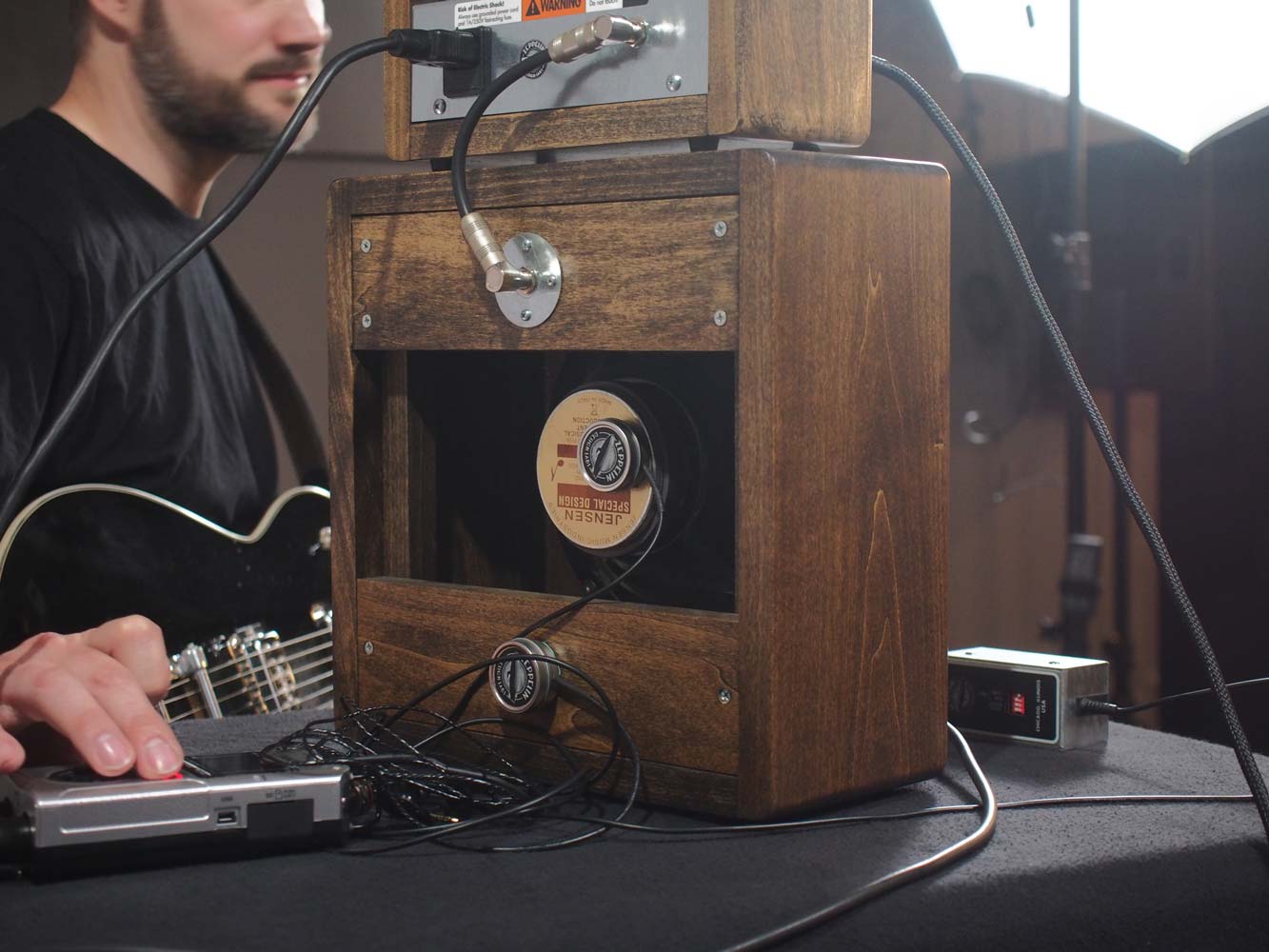
Both the Cortado Xe and Cortado MkIII are well suited for acoustic instrument amplification. The Xe was purpose-built for this application — its compact 26mm sensor and low 11mm profile are smaller and lighter, with no separate preamp chassis to manage, making it easier to mount unobtrusively on guitars, banjos, violins, ukuleles, mandolins, cellos, harps, and upright basses. The all-steel ferrous housing enables magnet mounting for repositionable, non-adhesive attachment: move it around until you find the sweet spot, then leave it.
The MkIII handles acoustic instruments equally well. Its separate sensor and chassis design keeps all electronics out of the sensor housing, so the pickup itself can tolerate demanding conditions — heat, cold, and physical stress — that could damage an all-in-one unit. That makes the MkIII a strong choice when you need proven ruggedness alongside great tone on soundboards, bridges, and solid-body surfaces.
Both models deliver natural, full-bandwidth sound on stage and in the studio. The Xe extends high-frequency response to ~40 kHz, capturing harmonics and transient detail that condenser-based alternatives often roll off.
Sound Effects / Foley / Found Sound
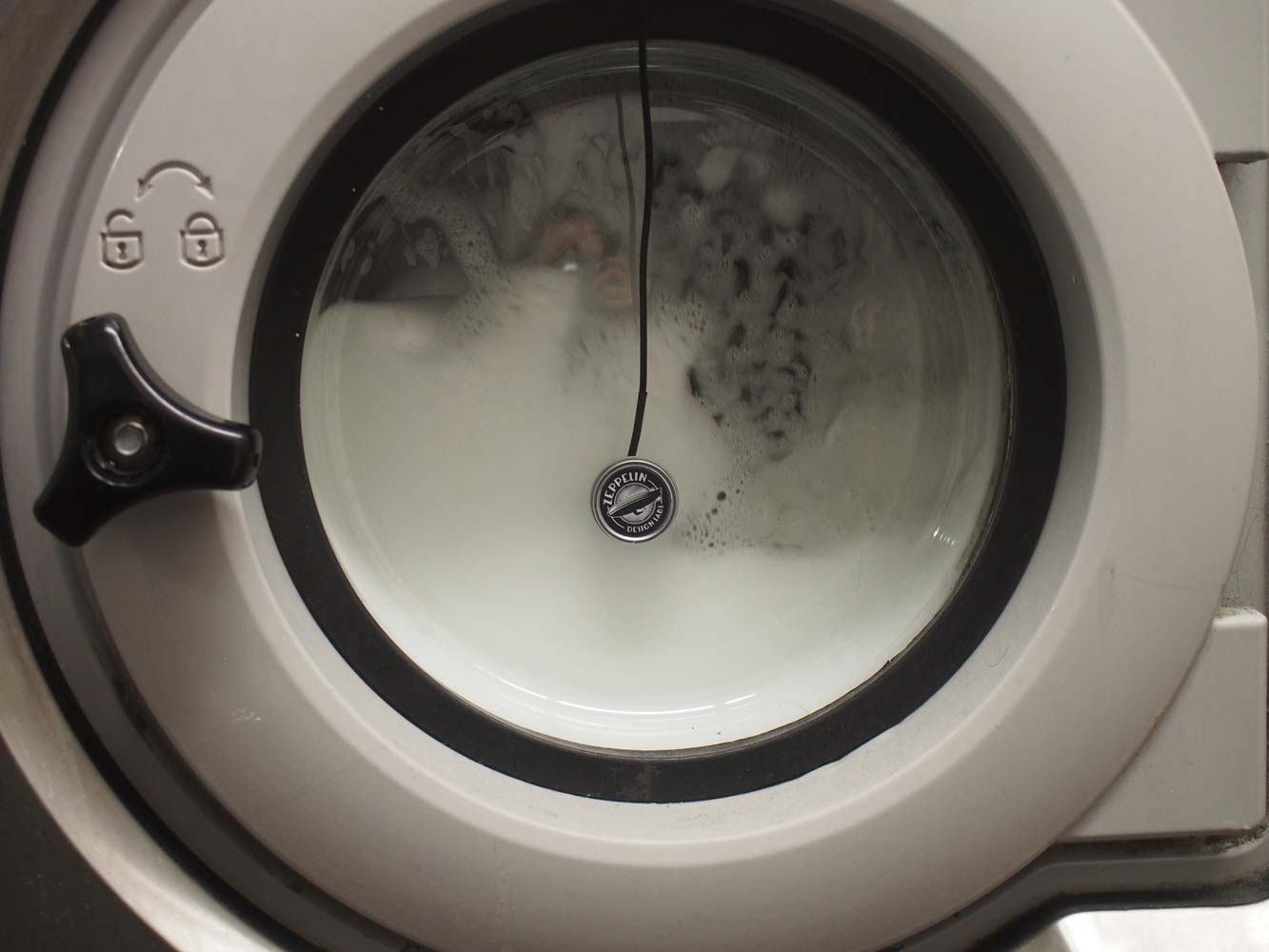
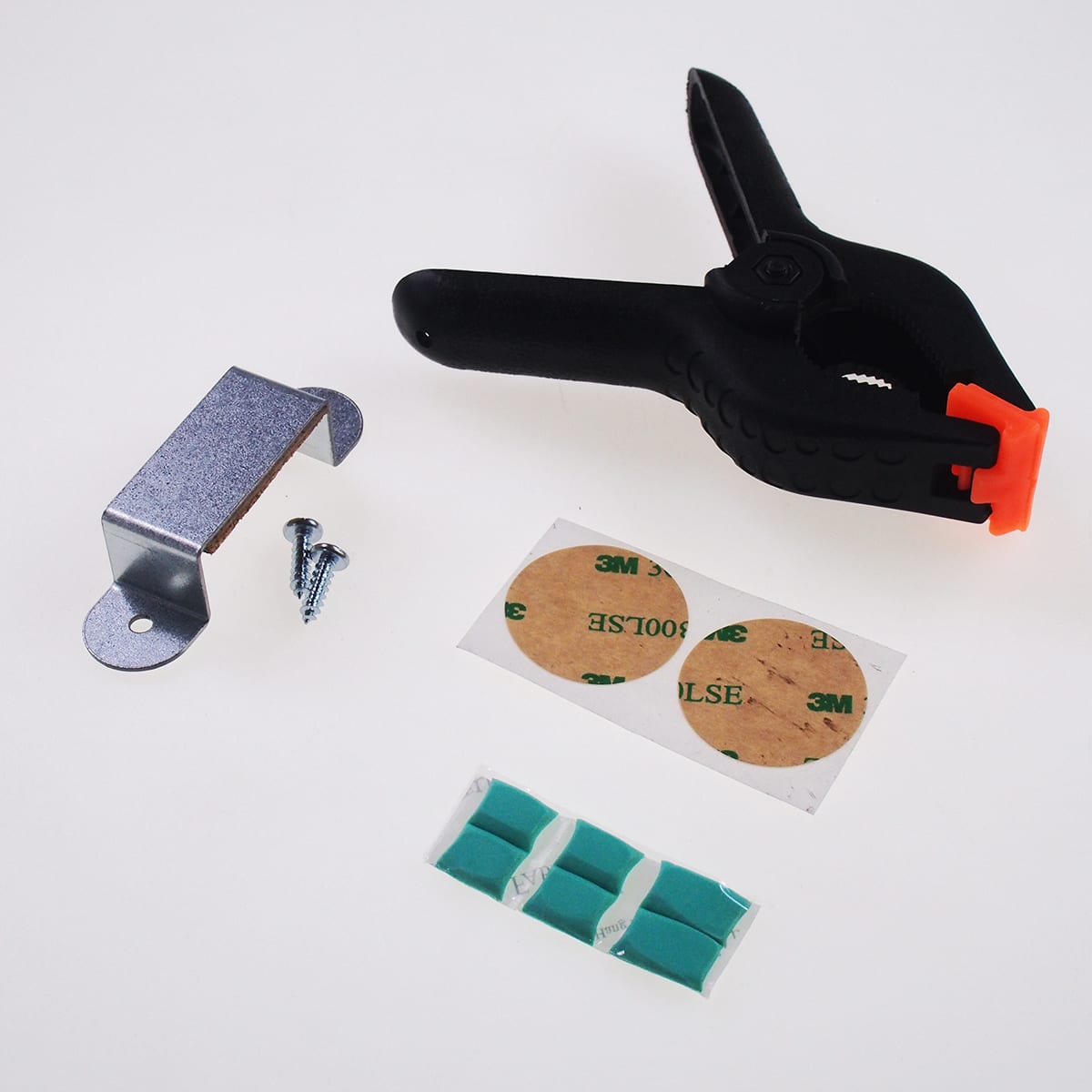
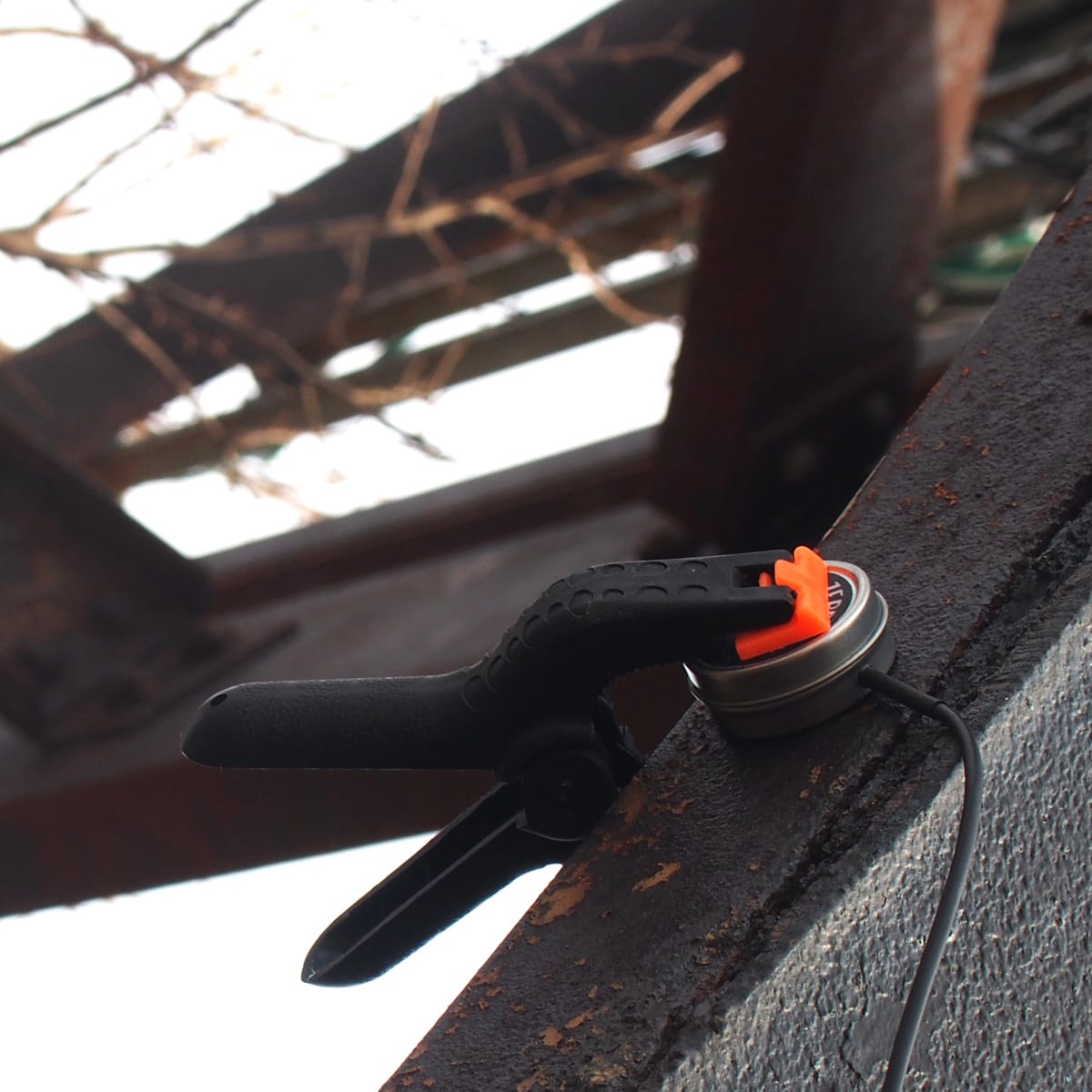
Cortado contact microphones reveal the hidden sounds lurking inside solid objects. Use the provided sensor putty or a spring clamp to stick it to anything and begin exploring. From creaking metal to resonating wood, the Cortado captures vibrations that air microphones simply cannot detect. ASMR and foley creators use contact mics as core tools for tactile sound capture.
The Cortado MkIII is especially popular for sound-design sessions thanks to its rugged sensor and wide bandwidth with bass boost.
Recording Studio
Cortado contact microphones can be used to mic any acoustic instrument: stick one or two mics onto the soundboard. Mic solid body instruments by attaching the sensor to any of its solid parts. The balanced output and low noise floor make it ideal for professional recording environments. Both the MkIII and Xe deliver full-bandwidth, balanced XLR output suitable for any pro interface or mixer. See our video and audio samples.
Venue Sound Reinforcement
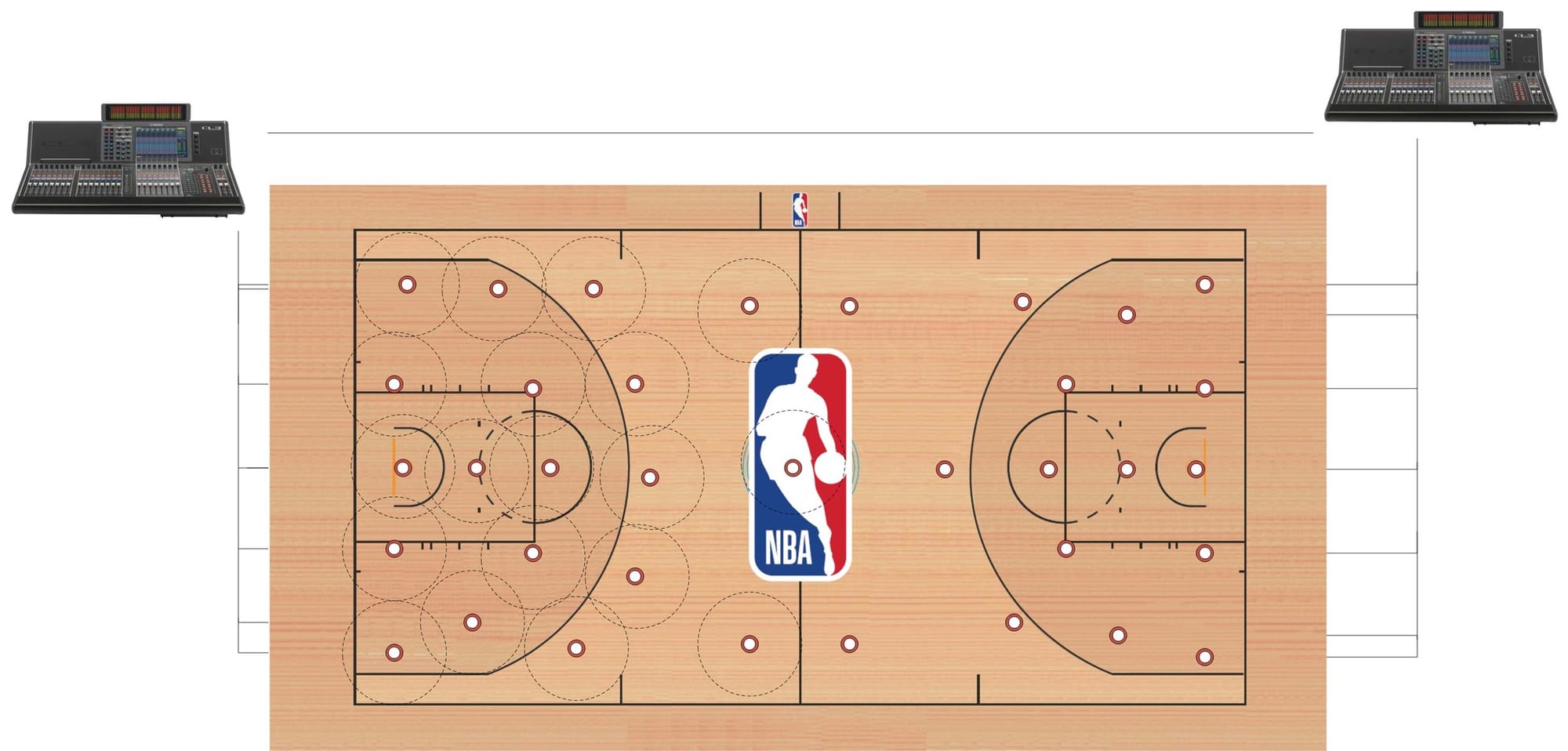
Over 130 Cortado microphones were used under the NBA basketball courts in Orlando during the 2020 season. The Cortado has been used on football goal posts, baseball foul poles, under tap dance floors, and in countless other live sound reinforcement scenarios where traditional microphones fall short. The Cortado Xe's compact form factor makes it especially suited for space-constrained installations.
Field Recording & Sound Design
Field recordists and sound designers use Cortado microphones to capture structural vibrations, resonances, and textures that air microphones miss entirely. From bridge cables and metal fences to tree trunks and stone walls, the Cortado MkIII's rugged sensor and separate chassis design are built to handle demanding outdoor environments with an operating temperature range of -40°F to 175°F.
Luthiers & Instrument Builders
Luthiers and instrument builders use the Cortado Xe to voice instruments during construction, evaluate tonal characteristics, and install permanent or semi-permanent amplification. The magnet-mountable steel housing means no adhesive residue on finished instruments — just place, listen, and reposition as needed.
Caught on Cortado
Got a clever use of your own?
These are just the beginning. See what the Cortado community is capturing in the wild — then share your story for a free Zeppelin Design Labs T-shirt.
Frequently Asked Questions
What is a contact microphone? +
A contact microphone (or piezo pickup) senses vibrations traveling through solid materials rather than sound waves in the air. When attached to a guitar, metal surface, or structure, it captures the object's resonant character — often revealing tones and textures that conventional air mics miss.
Do Cortado microphones need phantom power? +
Yes. Both the Cortado MkIII and Cortado Xe require 24–48V phantom power from a standard XLR microphone input on a mixer, interface, or preamp. No batteries or external power supply are needed.
What is the difference between the Cortado Xe and MkIII? +
The Cortado Xe is an all-in-one design: sensor, preamp, and cable in a compact 26mm housing — ideal for acoustic instruments and magnet mounting. The Cortado MkIII uses a separate rugged steel chassis with switchable pad and bass boost, better suited for demanding environments, long cable runs, and installations where the electronics should stay away from the sensor.
Can I mount a Cortado on an acoustic guitar? +
Yes. Both models work well on soundboards, bridges, and solid-body surfaces. The Xe's low profile and magnet-mountable steel housing make repositioning easy without adhesive residue. The MkIII's separate sensor tolerates heat and physical stress on demanding surfaces.
Where can I buy a Cortado contact microphone? +
Cortado microphones are sold through authorized dealers worldwide. Visit the Dealers page on cortadomic.com to find a retailer in your region, or contact Zeppelin Design Labs directly for dealer inquiries.
Are Cortado mics good for foley and sound design? +
Contact mics are a staple tool for foley artists and sound designers. Cortado pickups capture structural vibrations — metal, wood, glass, machinery — that air microphones cannot. Use mounting putty, clamps, or magnets to explore resonances in everyday objects.
What frequency response do Cortado mics offer? +
The Cortado MkIII reaches approximately 23 Hz to 40 kHz with bass boost enabled. The Cortado Xe covers approximately 40 Hz to 40 kHz. Both deliver balanced XLR output suitable for professional recording and live sound.
Does Zeppelin Design Labs offer a warranty? +
The Cortado Xe includes a 1-year limited warranty. The Cortado MkIII is backed by Zeppelin Design Labs' standard product warranty. Contact info@zeppelindesignlabs.com for support or warranty questions.