
How Contact Microphones Work
Learn how piezo contact mics capture vibrations through solid materials — and why they sound different from air microphones.
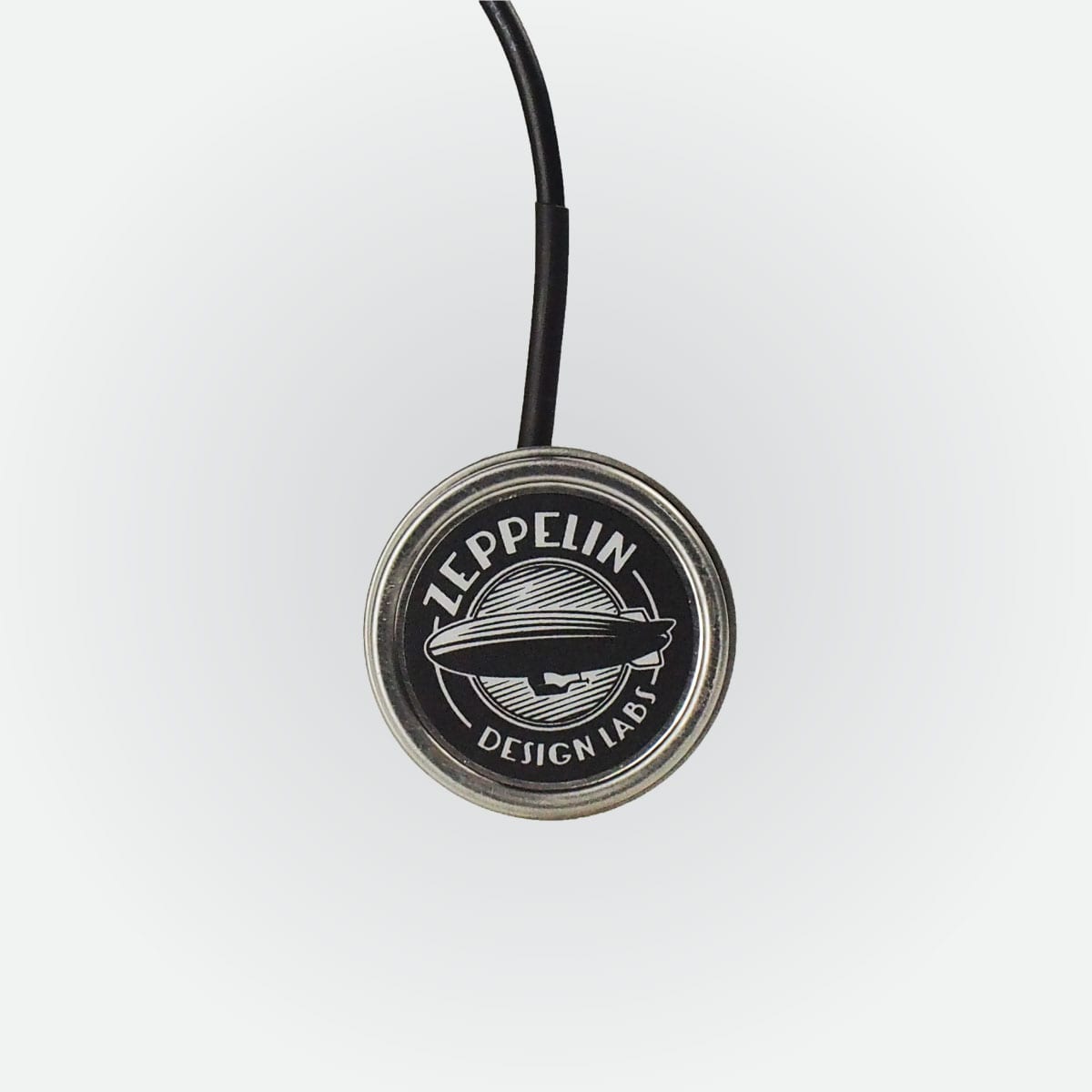
A contact microphone does not listen to the air. It listens to the object it touches.
Inside every Cortado is a piezo transducer that converts mechanical vibration into an electrical signal. When you attach the sensor to a guitar soundboard, a metal railing, or a wooden floor, you are recording the way that material resonates — not the sound waves radiating into the room.
Why the tone is different
Air microphones capture pressure waves. Contact mics capture structure-borne energy. That is why a Cortado on an acoustic guitar can sound more intimate and detailed than a condenser in front of the instrument: you hear the wood, the bridge, and the body working together.
Phantom power and balanced output
Cortado MkIII and Xe models include active circuitry that outputs a balanced XLR signal. Connect to any mixer or interface supplying 24–48V phantom power — no batteries required.
When to choose a contact mic
Contact microphones excel for:
- Acoustic instruments where you want minimal stage clutter
- Foley and sound design on solid objects
- Installations where an air mic cannot be placed (under floors, on goal posts, inside structures)
Explore the Cortado Xe and MkIII to find the right tool for your application.